
The Three Pillars of Garden Success: Light, Water, and Nutrients!
The foundation of all indoor gardens begins with figuring out exactly what your plant needs. Every plant has different conditions that need to be met to create the perfect environment for your garden to thrive. Most of these conditions can be summed into 3 categories: light, water, and soil nutrients; meeting a balance in all these and you’ll experience an indoor garden that can rival most casual backyard setups!
Light: You Don’t Need the Power of the Sun
Here’s the truth: most plants don’t actually need the drastic intense sunlight provided by a midday sun and with an indoor setup you won’t have to worry about anything like clouds or haze to get in the way of your plant getting the energy it needs. A lettuce plant provided with a 16-hour consistent light at around 10-15% of midday sun intensity can still turn into a crisp and delicious salad without the need for a crazy lighting system. This varies from plant to plant so make sure you do your research on what the best intensity and lighting times are for your specific situation. (University of Minnesota)
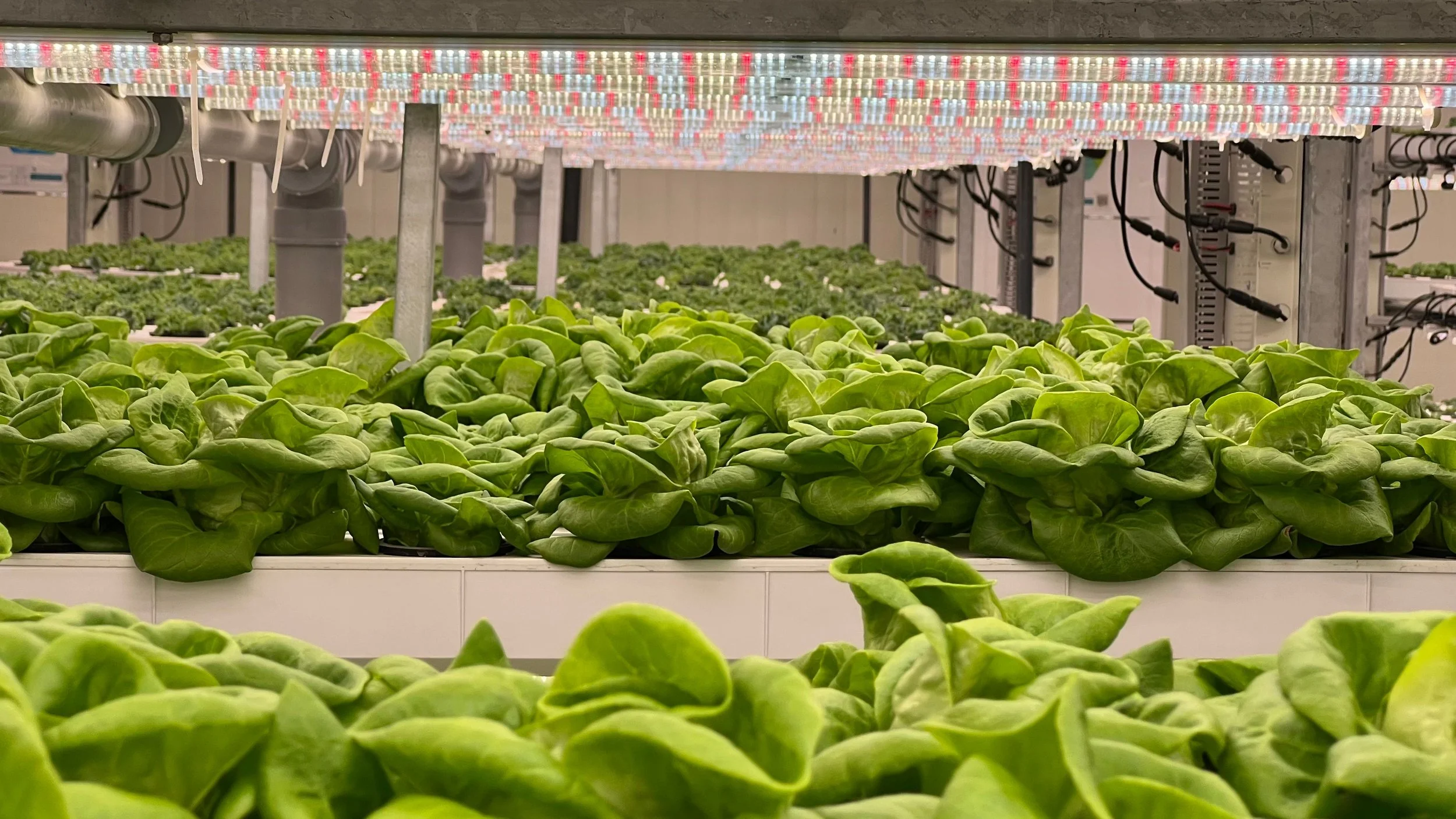
Lettuce growing under lighting solutions
Water: Measure Twice, Water Once
When you move a plant indoors you significantly reduce the amount of soil moisture evaporation from solar and wind energy. This means you don’t have to water as much right? Not necessarily, modern homes often keep air cool and dry, so if you’re using a higher intensity light or a fan setup to help airflow you could still experience similar amounts of water loss with a soil-based system. This just means you need to pay a little more attention to what your plant is doing; the easiest way to measure the water levels in your soil is to push your finger 1-2 inches into the soil and see how moist it is. If it’s dry - just add water, if it’s still moist - maybe you don’t need to add the extra water. Remember, leaving too much water unabsorbed can create issues with mold and root rot but, some plants need more moisture in the soil to be comfortable so remain calm and always double check if you’re unsure if your garden needs water. (Iowa State University)
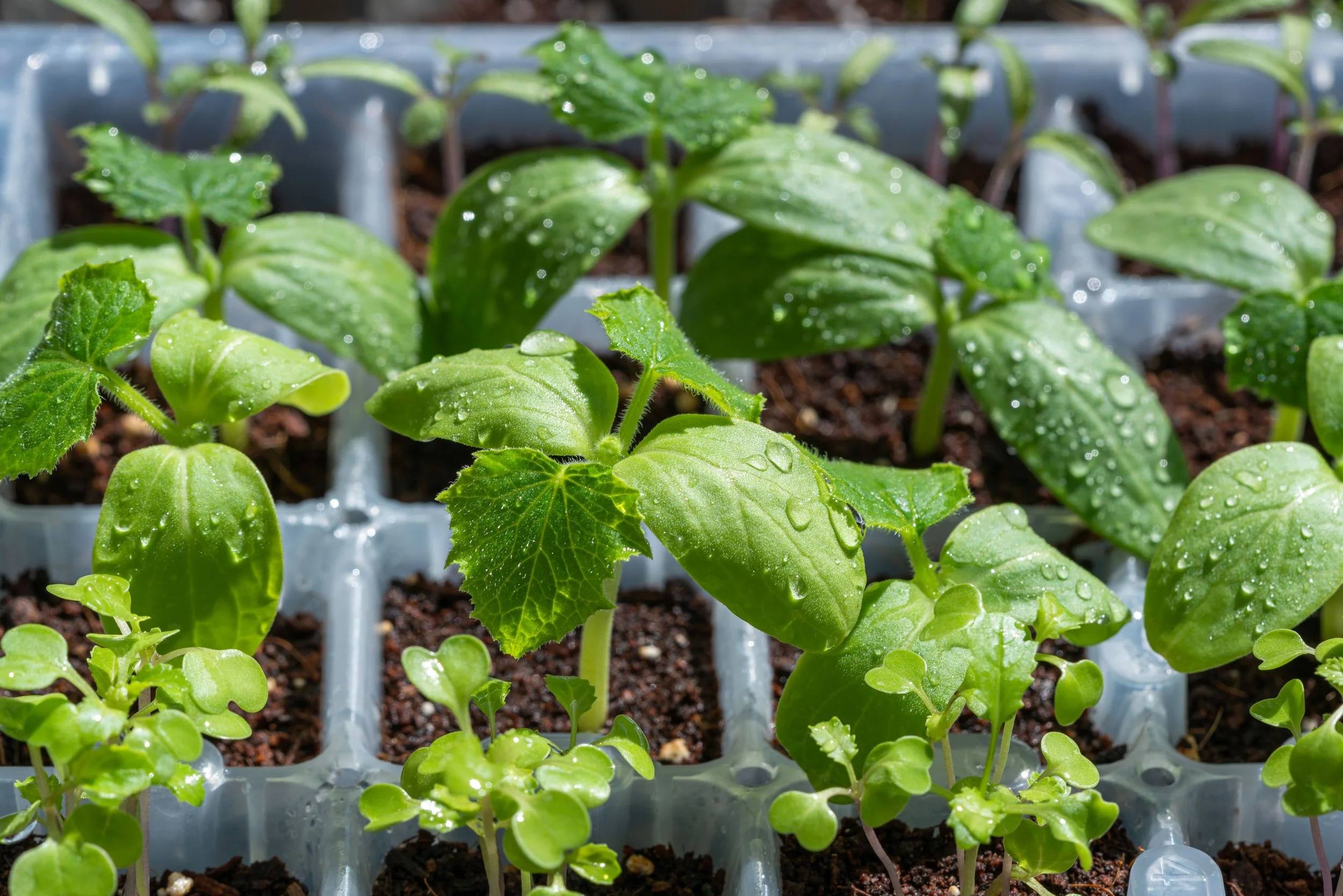
Plants after watering cycle
Soil and Nutrients: Feeding Your Garden’s Success
This part gets a little complicated; with bringing a plant inside you remove it from the normal nutrient sources which means you’re going to have to put a little work into this one. Soil nutrients are all about balance, too little and the plant doesn’t have what it needs to thrive, too much and you can get a salt build up damaging your root structure. This brings a very complex question agriculture experts spend years learning: Luckily for you, there’s the internet. whenever you get a new plant for your garden do a little bit of research and find what the nutrient needs of your plant are, then, you can find the best fertilizer to use and figure out how much you need. If you’re not into the chemical or synthetic fertilizers, you can find alternatives that may take a little bit more DIY on your part. My favorite solution is using old eggshells and boiling them into an egg tea; this pulls the calcium out into the water simultaneously watering and feeding your plant. Many other alternatives like this exist to help bring your plant what they need and if you can’t figure out what your plant needs always take some time to look it up or ask a community forum. (Virginia Tech)
small plant growing out of soil