
A little over half of communication between people is displayed with body language. Plants are no different, in fact, that’s the only form of communication. Carefully inspecting your plants helps catch issues early and get you closer to earning your green thumb. With most plants the leaves tell you everything to know; whether you need more light, less light, more water, less water, or if the soil nutrition isn’t enough to let your plant thrive (read more about light, water, and nutrition here). Today we’ll cover the most common signs and what they mean for your plant care routine.
Before You Change Anything
A yellow leaf or brown spot can get your attention quickly, but figuring out what caused it takes a closer look. Different problems can create similar symptoms, so start by checking the whole plant and its growing conditions.
Identify your plant and review its light, water, and nutrient requirements. Then ask yourself: What has changed recently? Have you moved it closer to a window, increased its fertilizer, or started watering more often? Those details can help you decide where to investigate first.
Yellowing Leaves
Yellowing leaves can be an early sign that your plant is experiencing stress. However, the color alone won’t tell you what needs fixing. Too much water, too little water, and unsuitable lighting can all contribute. Pay attention to where the yellowing starts and whether it continues spreading.
Start with the potting mix. Check below the surface rather than judging by appearance alone. You can also lift the pot to get a feel for its weight: a recently watered pot will generally feel heavier than one with dry potting mix. Compare what you find with the moisture needs of your particular plant.
If the mix is already wet, adding more water because the plant looks unhealthy may make the problem worse. Check that water can drain from the container and empty any water collected in the saucer. Plants can wilt from both overwatering and underwatering, so a drooping leaf isn’t automatically a request for a drink.
Next, review the lighting. Has the plant recently moved into stronger sunlight or closer to a grow light? Both insufficient and excessive light can cause stress. Compare its current location with its species’ requirements before making another adjustment.
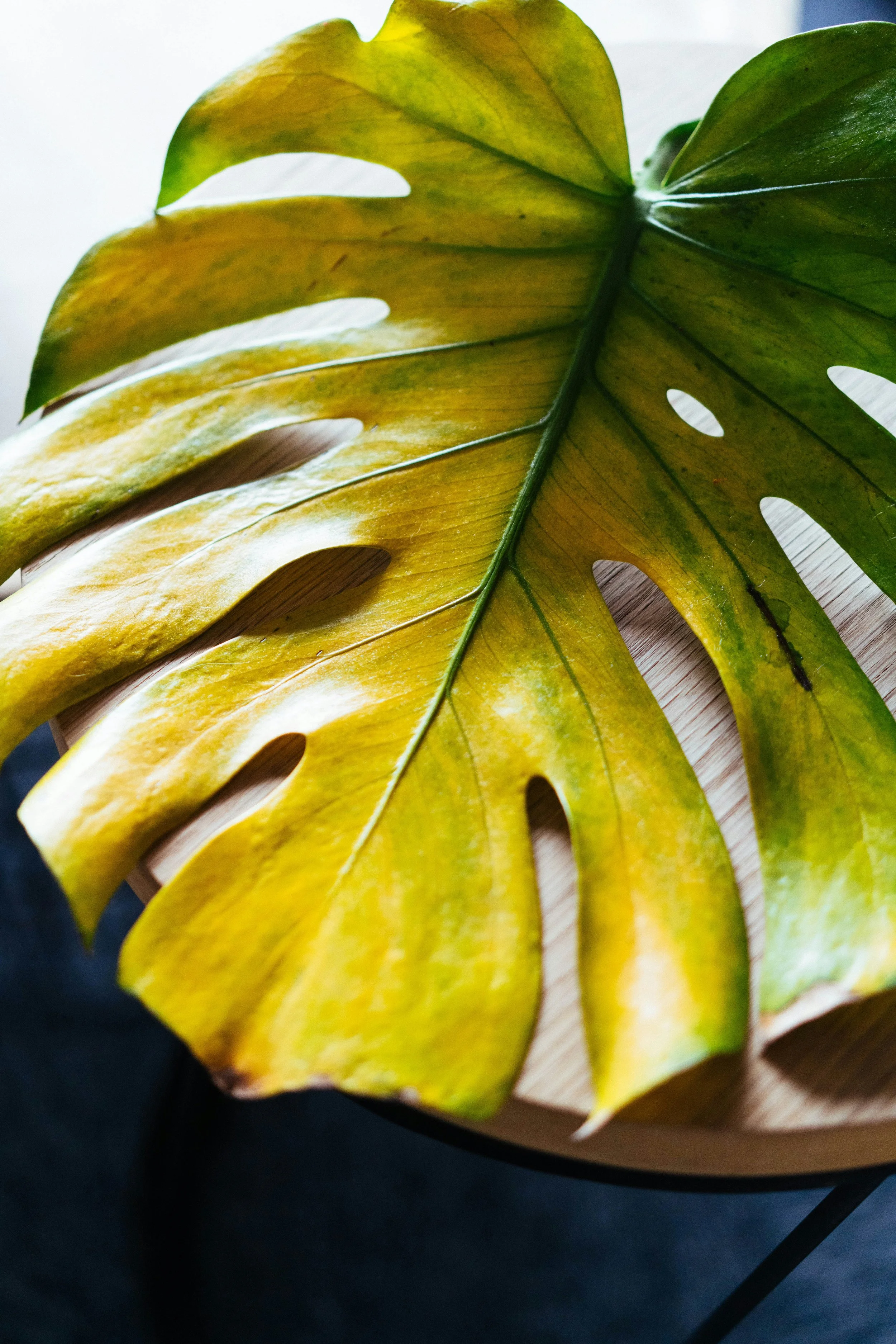
Yellowing Monstera Leaf
Browning Leaves
When leaves turn brown, look closely at the pattern. Is the damage limited to the tips, spreading along the edges, or affecting most of the leaf? Brown tips and scorched edges can be associated with water stress or excessive fertilizer salts, so the next step is to review both watering and feeding.
Check your watering habits. Instead of watering on a fixed schedule, check the potting mix and your plant’s needs. Temperature, humidity, and the growing medium influence how quickly a container dries. Allow excess water to drain away after watering.
Look for mineral buildup. Minerals from fertilizer and irrigation water can accumulate in potting mix. At high concentrations, these salts interfere with water uptake and can damage roots. Possible clues include brown leaf tips and a crust around the soil surface or container.
When salt buildup is the likely cause, flushing the mix with fresh water can help carry excess salts out through the drainage holes. This requires a freely draining container; the plant should never be left sitting in the runoff. Review your fertilizer directions as well so the same problem doesn’t keep returning.
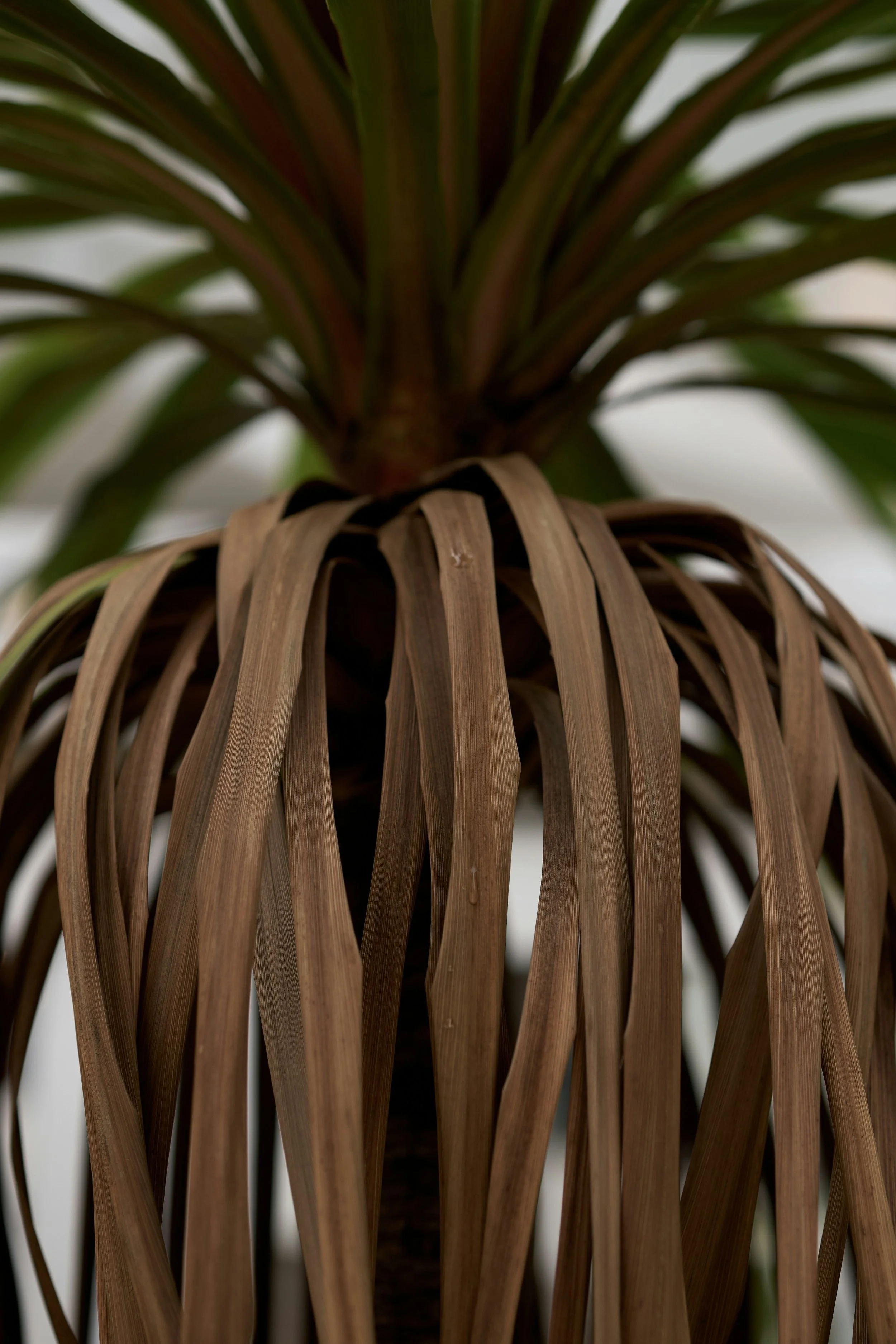
Browning Plant Leaves
Brown Spots
Brown spots deserve attention, but they don’t automatically mean your plant is beyond saving. Leaf spots and blotches can result from several causes, including sunburn and fungal or bacterial diseases. Choosing a treatment starts with narrowing down the cause.
Inspect before treating. Look at both sides of the affected leaves and along the stems. Check for insects, fine webbing, or cottony material. These observations can help identify a pest problem that might otherwise be overlooked.
Photograph the spots and note their location. Are they appearing on new leaves, getting larger, or remaining in the same place? Fungal leaf spots can enlarge and merge into larger damaged areas, but appearance alone may not provide a definite diagnosis.
If a fungal leaf disease is identified, reducing leaf wetness and improving air circulation can help. Give plants enough space for air to move between them, and avoid leaving their foliage wet for long periods. Removing affected leaves may also be appropriate.
If you’re unsure, contact your local extension service. Include the plant’s name, clear photos of the whole plant and damaged leaves, and a description of its watering, lighting, and recent care changes.
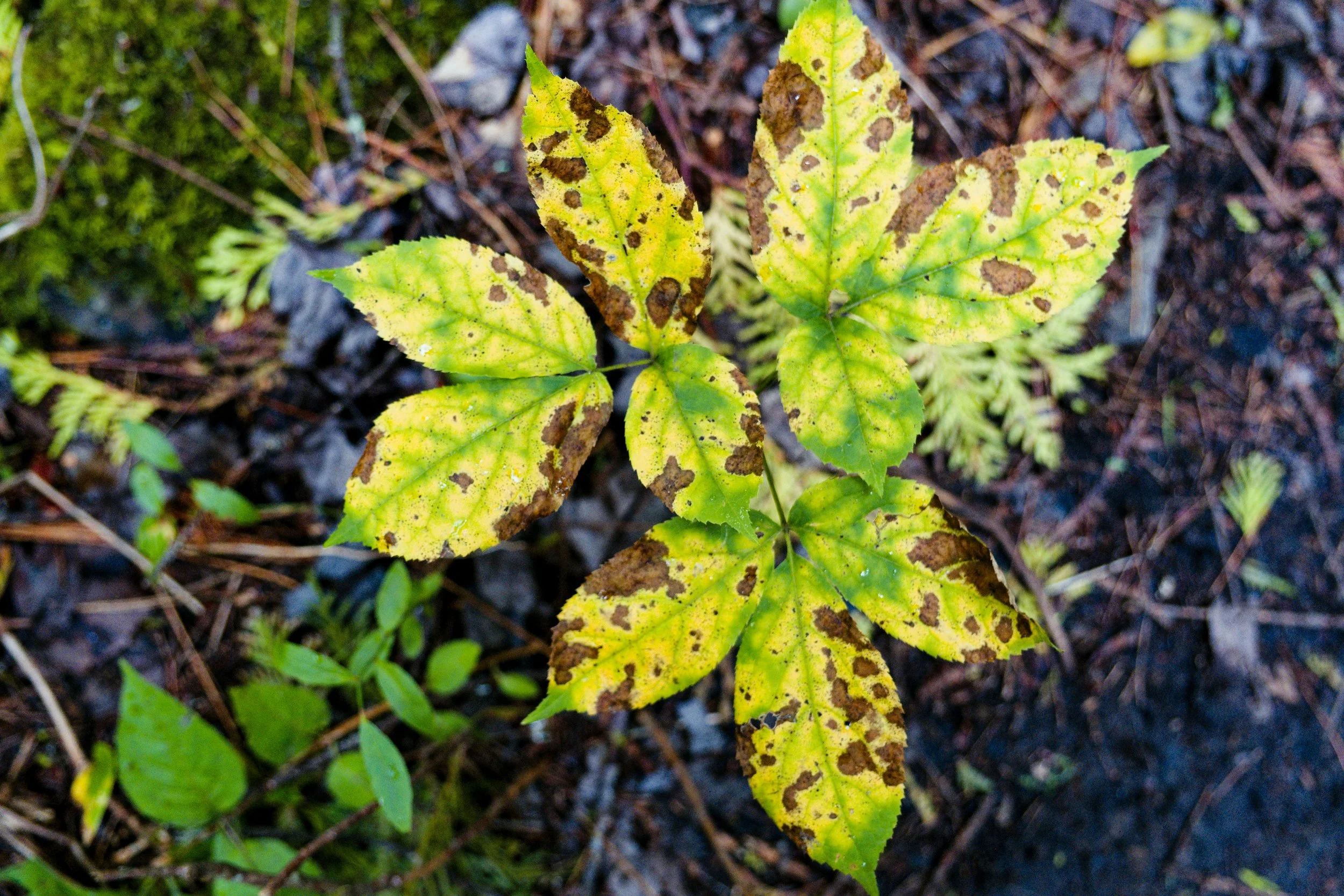
Plant with Brown Spots
Track Your Plant’s Progress
As you continue to care for the affected plant make sure to take note and monitor the condition. If the condition worsens you might need to go back to the drawing board.
The more experience you get in gardening the easier it becomes to identify issues and the easier all plant care becomes. If you ever have any questions a community forum is a great first place to look; check out SynhtLeaf’s The Growing Circle - Here.